Why Is Homeowners Insurance So Expensive in New Jersey? A 2026 Guide for Burlington County
New Jersey homeowners insurance is getting more expensive, and 2026 is the year many Burlington County homeowners are feeling it at renewal. Statewide, the average premium now runs roughly $1,600 to $1,800 a year, and more than 50 of New Jersey's roughly 127 home insurers raised rates in 2025, many by double digits. This guide walks through the verified numbers behind the increases, what flood risk adds in the county's river towns, and the practical steps homeowners can take before their next renewal.
In This Guide
Why Is Homeowners Insurance So Expensive in New Jersey Right Now?
Homeowners insurance in New Jersey is not the most expensive in the country, but it is climbing faster than most homeowners' paychecks, and the trend has been building for years. The average New Jersey policy now costs roughly $1,600 to $1,800 per year, according to 2026 rate trackers, which is actually below the national average. The problem is the direction: state premiums rose about 7.5% in the latest year alone, and roughly 32% cumulatively since 2020.
For a Burlington County homeowner, that means the insurance line in the monthly budget is no longer a rounding error. It is a real cost that changes with the housing market, the weather, and the cost of rebuilding a home, and it deserves the same attention as the mortgage and the property tax bill. This guide explains the numbers, the local flood picture, and what you can actually do about it, in plain language and without the insurance-industry jargon.
How Much Does Homeowners Insurance Cost in New Jersey in 2026?
Different trackers measure slightly different things, but they land in the same neighborhood. LendingTree's 2026 estimate puts the New Jersey average at about $1,606 per year, while MoneyGeek's estimate is about $1,771 per year, which it ranks as the 35th most expensive state. Either way, the typical New Jersey homeowner is paying somewhere between $134 and $148 a month, and that figure has been moving up every year.
Those averages hide a wide range. A modest older home with a low dwelling-coverage amount might insure for well under $1,500, while a larger newer home with $600,000 or more in replacement coverage can easily pass $2,500. U.S. News identifies NJM as the cheapest major insurer in the state at roughly $1,441 per year for $500,000 in dwelling coverage, which gives you a useful benchmark: if you are paying far more than that for a comparable home, it is worth shopping around.
What actually drives your individual premium? The amount of dwelling coverage you carry, your deductible, your claims history, your credit score, the age and construction of your home, the age of your roof, and your town's risk profile. That last factor matters a lot in Burlington County, where homes along the Delaware River carry a very different risk picture than homes a few miles inland.
Why Are Homeowners Insurance Rates Going Up in New Jersey?
The short answer is that it costs much more to rebuild a home than it did five years ago, and insurers are repricing that risk. More than 50 of New Jersey's roughly 127 home insurers received regulator-approved rate increases in 2025, about half the market, and many of the increases were double-digit. The largest request was 40% from St. Paul Protective, a Travelers company, which was approved at 19.8%, and the largest approved hike was Founders Insurance at 23.6%, according to state filings reviewed by NJ Advance Media.
Insurers cite four main drivers. First, construction materials and labor costs have climbed sharply, so replacing a roof or rebuilding a kitchen costs far more than it did in 2020. Second, home values have risen, which raises the dollar amount insurers must cover. Third, inflation and supply-chain pressure pushed up the cost of everything from lumber to appliances. Fourth, severe weather has become a bigger factor, with nor'easters, tropical storms, and inland flooding causing more frequent and costlier damage across the state.
The result is visible in the cumulative numbers: New Jersey premiums rose about 32.1% from 2020 to 2025, while the national average rose about 45.8% over the same period, according to an analysis of insurance data. New Jersey is not the worst-hit state, but the direction is unmistakable, and rate filings suggest more increases are working their way through the pipeline into 2026. Some carriers have also started non-renewing policies in higher-risk areas, which pushes those homeowners into a thinner, more expensive market.

What Do Rising Insurance Costs Mean for Burlington County Homeowners?
For anyone who has run the full math on owning a home in this county, insurance is one of the biggest line items after the mortgage and property taxes. Our true cost of homeownership guide breaks down the monthly budget line by line, and insurance is the piece that has been inflating fastest in recent years. If your lender escrows insurance with your mortgage, a premium increase raises your monthly payment even though your mortgage rate has not changed, which catches many homeowners by surprise at renewal.
Rising home values are part of the story. Burlington County's median sale price has held around $400,000 to $430,000 through fall 2026, up a couple of percent year over year, as detailed in our home values by county guide. When your home is worth more, your dwelling coverage should rise with it, and that means a higher premium. The flip side is that many homeowners are underinsured because their coverage has not kept pace with replacement costs, which is a bigger risk than a higher bill.
Location matters more than ever. A riverfront home in Cinnaminson or a flood-prone street in Delran carries a different risk profile than a home in an inland town like Marlton, and insurers price that difference in. If you are shopping for a home, the insurance quote belongs in your budget conversation before you make an offer, not after.
Flood Risk and Flood Insurance in Burlington County
Here is the most important thing to know: a standard homeowners policy does not cover flood damage. Flood coverage is a separate policy, sold through the National Flood Insurance Program (NFIP) or private insurers, and it is required by lenders when a home sits in a high-risk flood zone. The Delaware River side of Burlington County is where this matters most.
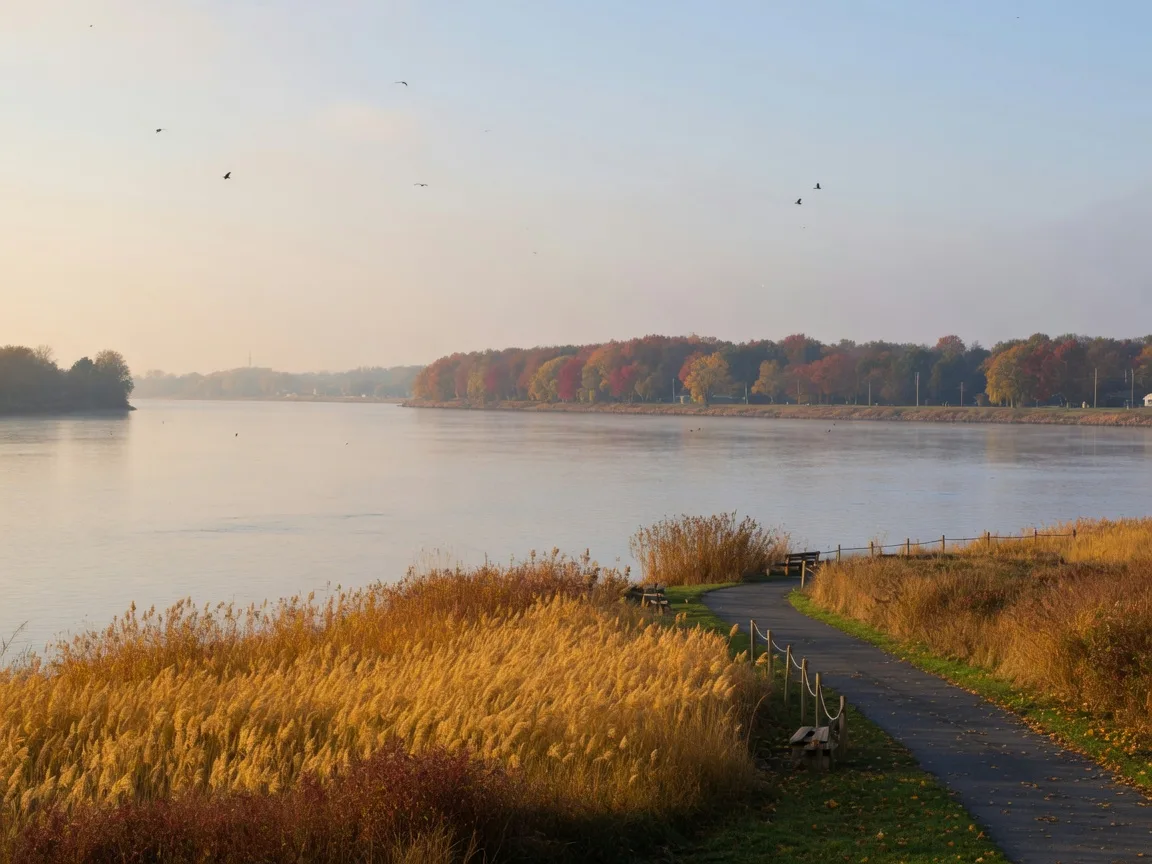
The New Jersey Department of Environmental Protection and Burlington County selected 11 Delaware River-fronting municipalities for a climate-resiliency flood assessment: Beverly City, Burlington City, Burlington Township, Cinnaminson, Delran, Edgewater Park, Florence, Palmyra, Riverside, Riverton, and Willingboro. Delran and Riverside have seen the county's most severe river flooding, including January 2024, when the river crested near 12 feet, topping the record set during Hurricane Ida and damaging more than 50 homes. Cinnaminson and Palmyra flood from high tides on the Delaware through Pompeston Creek and tidal flatlands. FEMA's National Risk Index rates Burlington County's overall flood risk as relatively high, with an estimated $121.5 million in annual losses.
What does flood insurance cost here? An NFIP policy averages roughly $933 to $953 per year in New Jersey, and Insurify's 2026 estimate puts the Burlington County average near $914 per year, with premiums ranging from about $215 to more than $4,000 depending on the flood zone and property. FEMA's Risk Rating 2.0 pricing methodology has raised rates for many policyholders, with low-risk Zone X properties often running $400 to $700 a year and high-risk coastal properties running $2,500 to $6,000 or more. Even if you are not in a mapped high-risk zone, a flood policy can be surprisingly affordable, and it is worth a conversation with an agent if your home is anywhere near the river, a creek, or a low-lying drainage area.
How Can Burlington County Homeowners Lower Their Insurance Costs?
You cannot control the weather or the cost of lumber, but you can control how much you pay for coverage. These are the steps that actually move the number, and none of them require switching agents or sacrificing protection.
- Shop around every year or two. New Jersey has roughly 127 home insurers, one of the most competitive markets in the country. Get at least two or three quotes at renewal, and let your current insurer know you are comparing; loyalty discounts are real, but so are new-customer rates.
- Bundle home and auto. Most carriers give a meaningful multi-policy discount, often 10% or more, and it is the easiest saving on the list.
- Raise your deductible. Moving from $1,000 to $2,500 can cut your premium noticeably. Just make sure you can actually cover the deductible if a claim happens.
- Improve your credit. Insurers use credit-based scoring in New Jersey, and a better score typically means a better rate.
- Ask about discounts. Claims-free history, a newer roof, a monitored alarm, a senior discount, and age-of-home credits all exist. You usually have to ask.
- Right-size your dwelling coverage. Insure the replacement cost of the structure, not the market value of the home, and never insure the land. Review the number at least once a year, because replacement costs have been rising faster than most people expect.
- Think twice before small claims. Even one or two claims can raise your rate for years. If the repair is under your deductible or close to it, paying out of pocket often costs less over time.
- Document your home. A simple video walkthrough of every room, stored in the cloud, makes a claim far easier to settle fairly and is free to do.
What Should You Do Before Your Policy Renews This Year?
Renewal season is the one time each year you have leverage, so use it. Read the renewal notice carefully: insurers must state what is changing and why. Check that your dwelling coverage still matches today's replacement costs, confirm your deductible is what you think it is, and compare at least two quotes from other carriers before you accept the renewal price. If your premium jumped more than 10% and nothing about your home changed, that is a strong signal to shop.
And if you are on the fence about flood coverage, fall is the right time to look, before winter storms and spring rains arrive. The Homeowner Resource Center has more guidance on protecting your home through the seasons, and the Ask Bob knowledge center answers homeowner questions in plain language, including questions about insurance, maintenance, and what actually protects your home's value. For the broader financial picture, regional market trends tracks what is happening to values across the towns Bob serves.
Frequently Asked Questions About New Jersey Homeowners Insurance
Why is homeowners insurance going up in New Jersey in 2026?
Rebuilding costs, rising home values, inflation, and more frequent severe weather are all pushing premiums higher. More than 50 of New Jersey's roughly 127 home insurers received approved rate increases in 2025, many at double-digit levels, and more increases are working through the pipeline into 2026.
How much does homeowners insurance cost in New Jersey?
Estimates for 2026 put the New Jersey average between about $1,606 and $1,771 per year, or roughly $134 to $148 per month, below the national average. Your actual premium depends on your dwelling coverage, deductible, claims history, credit, home age, roof, and town.
Is flood insurance required in Burlington County?
Lenders require flood insurance when a home sits in a high-risk flood zone, and many Burlington County riverfront properties qualify. An NFIP policy in New Jersey averages roughly $933 to $953 per year, with the Burlington County average near $914 per year, depending on the zone and property.
Which Burlington County towns have the highest flood risk?
The 11 Delaware River-fronting municipalities assessed for flood hazards are Beverly City, Burlington City, Burlington Township, Cinnaminson, Delran, Edgewater Park, Florence, Palmyra, Riverside, Riverton, and Willingboro. Delran and Riverside saw the county's most severe river flooding in January 2024, when the river crested near 12 feet.
Does a standard homeowners policy cover flood damage?
No. Standard homeowners policies exclude flood damage. Flood coverage is a separate policy through the National Flood Insurance Program or a private insurer, and it is worth considering even outside mapped high-risk zones, especially near rivers, creeks, and low-lying drainage areas.
How can I lower my homeowners insurance premium in New Jersey?
Shop quotes annually, bundle home and auto, raise your deductible, improve your credit, and ask about discounts for a newer roof, alarms, claims-free history, and age of home. Also right-size your dwelling coverage to replacement cost rather than market value, and avoid small claims that can raise rates for years.
Why was my homeowners insurance policy non-renewed?
Some carriers have been dropping or non-renewing policies in higher-risk areas as weather losses and rebuilding costs climb. If your policy is non-renewed, shop the competitive New Jersey market immediately, and consider a licensed independent agent who can compare carriers that still write coverage in your area.
Related Resources
The True Cost of Owning a Burlington County Home
Mortgage, property taxes, insurance, maintenance, and utilities broken down line by line for the typical home.
See the Breakdown Market UpdatesSouth Jersey Home Values by County
How Burlington, Camden, Gloucester, and Ocean compare on median prices, taxes, and selling pace this fall.
View the Data Market DataRegional Market Trends
ZIP-level median prices, days on market, and sale-to-list ratios for the towns Bob tracks across South Jersey.
View the Data